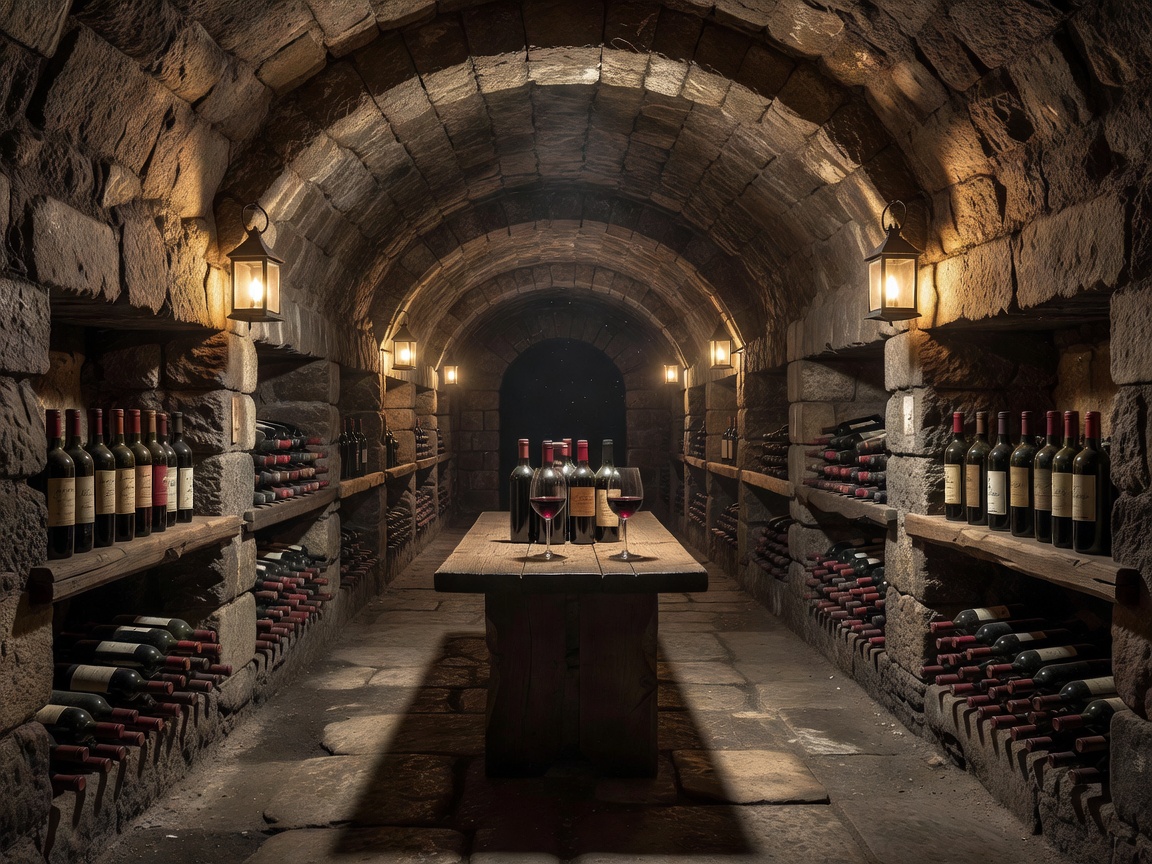
European cellars vary widely. Some occupy historic underground chambers cut into limestone. Others are modern above-ground facilities designed around temperature control, logistics and visitor flow. Neither format automatically provides a better visit. The useful question is what the space explains and how comfortably the group can move through it.
Underground and above-ground formats
Underground rooms often have thick stone, narrow passages and stable ambient conditions. They can provide clear architectural context, but stairs, uneven floors and low light may affect access. Above-ground cellars usually offer wider circulation and more predictable lighting. They may place production, storage and hospitality areas in separate zones.
Ask whether the route includes working areas or only a visitor room. A production-led tour may involve standing, steps and changing temperatures. A presentation-led visit may spend more time seated and may suit a group with limited mobility.
Storage tells part of the story
Barrel rooms show how oak is arranged, monitored and moved. Bottle storage reveals whether the site uses racks, cases or climate-controlled rooms. These details are practical rather than decorative: they explain space planning, handling and the difference between a working cellar and a display collection.
- Confirm the amount of walking and standing.
- Ask about stairs, lifts, surface changes and low lighting.
- Check whether coats or bags can be stored safely.
- Clarify whether photography is allowed in working areas.
Tasting rooms and guided tours
A tasting room may be attached to the cellar or located elsewhere. The separation can make the tasting calmer, but it can also reduce the direct link between storage and glass. A guide should explain the sequence, serving pace and responsible tasting arrangements. Visitors do not need to finish every pour. Water, food and a clear transport plan matter.
Duration, size and privacy
Short visits suit travellers combining several stops. Longer formats allow more architecture, production explanation and comparison, but they require a slower itinerary. Private visits can support specific access or tasting questions. Shared visits may be more economical and provide a fixed structure, though the group pace is less flexible. Confirm the maximum group size, language, seating and start-time policy before booking.
Temperature, clothing and etiquette
Cellars can feel cool even in warm weather. Layers and closed, stable footwear are useful. Avoid touching bottles, barrels or equipment unless invited. Follow instructions around working machinery and keep phones quiet during explanations. Ask before photographing staff, records or restricted areas.
Good for
Visitors interested in architecture, storage systems, production context and a structured introduction to cellar culture.
What to know
Access conditions, current operations and tour content differ by location. Verify them directly with the organiser before travel.