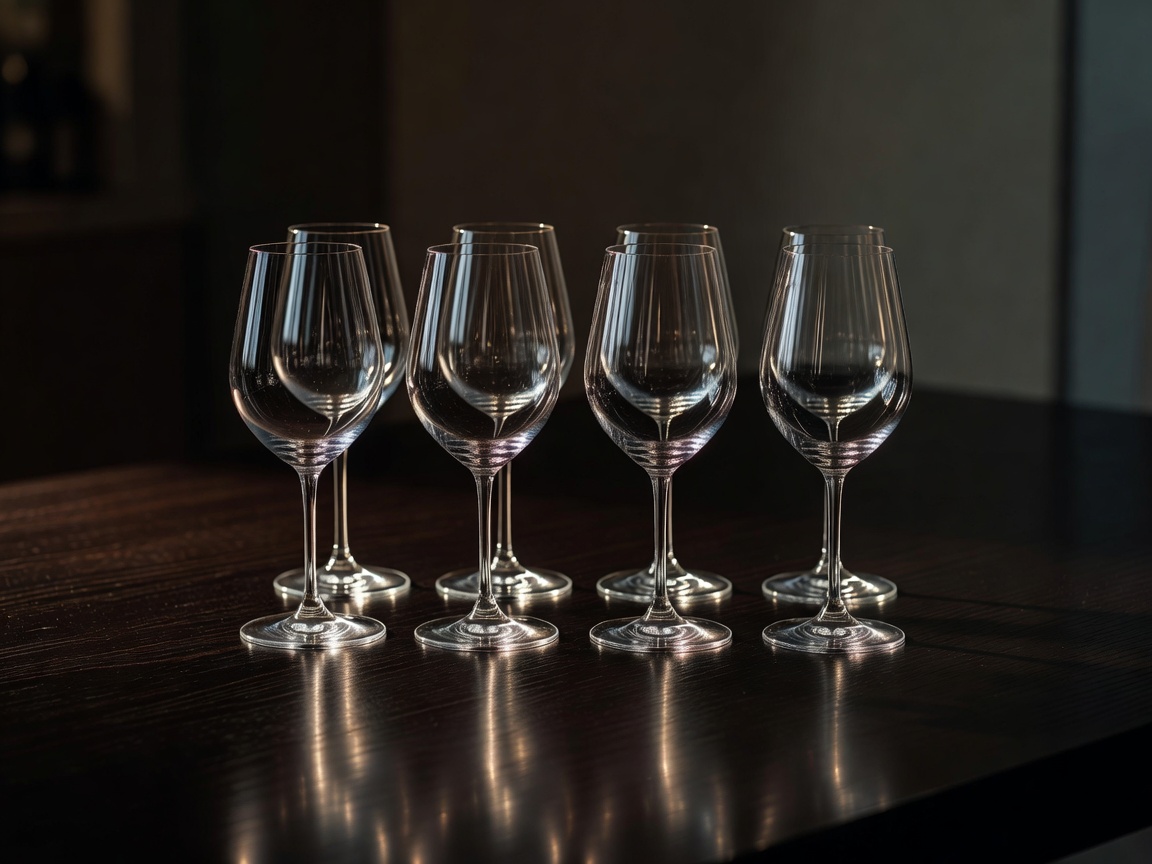
Tasting formats range from a short flight at a cellar table to a guided regional comparison. The setting, number of samples and pace shape the experience. A clear sequence helps first-time visitors without turning the session into an examination.
A practical tasting sequence
Begin with appearance: colour, clarity and visible differences. Move to aroma, then palate. The purpose is observation, not a score. A guide may discuss texture, acidity, structure, sweetness or finish in general terms. Comparing two or more samples can make regional or production differences easier to understand than tasting one glass in isolation.
- Receive the introduction and serving order.
- Observe appearance without rushing.
- Consider aroma and note distinctive impressions.
- Taste slowly, with water available.
- Compare the samples and ask focused questions.
Order and regional themes
Many tastings move from lighter or less intense examples toward fuller or more structured examples. The exact order depends on the guide and theme. Regional sessions may compare Mediterranean conditions with Central European or Atlantic-influenced settings, but broad labels do not replace the details of site, grape, vintage or production method.
Guided and self-guided formats
Guided tastings provide context, serving control and a route through unfamiliar terms. They are useful for groups with mixed experience. Self-guided formats allow more privacy and flexible conversation, but the organiser should still provide serving order, water, spitting or disposal arrangements where appropriate, and clear transport information.
Group planning and food
Small groups usually allow more questions. Larger groups need firm timing, seating and audibility. Ask whether the format is seated, standing or mixed. General food pairings can show how salt, acidity, texture and regional cuisine interact. Dietary requirements should be shared in advance; pairing menus are not automatically suitable for every guest.
Responsible participation
Wine is an adult beverage. Guests may choose not to drink or may use spitting facilities where offered. Water and food support a measured pace, but they do not make alcohol safe to drive with. Arrange a designated non-drinking driver, public transport, a licensed transfer or an overnight stay before the tasting. Do not plan a route that depends on driving after alcohol consumption.
Good for
Groups seeking a clear introduction, regional comparison or a calm format with guided discussion.
What to know
Serving lists, food, accessibility and transport arrangements must be confirmed with the organiser. This guide does not provide medical or drinking advice.