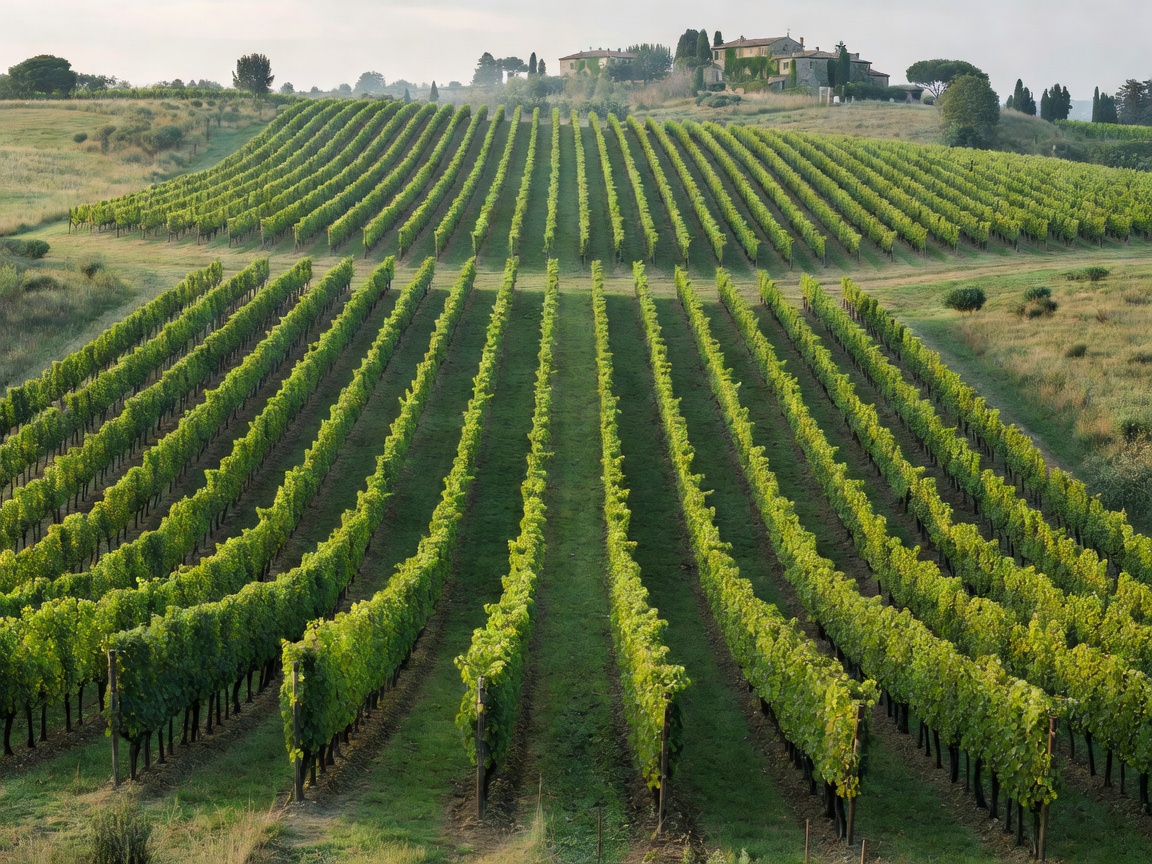
Vineyards are working landscapes, not outdoor display rooms. A visit may follow rows, slopes, field roads or grass paths before continuing to a cellar. The route and level of access depend on the site, current work and weather.
Season changes the experience
Spring can show early growth and maintenance work. Summer often brings stronger sun and dry surfaces. Autumn may reveal harvest activity, but timing varies by region and year. Winter can provide open views and quieter paths while leaving vines dormant. These are general seasonal patterns, not current local conditions. Check the forecast and the organiser’s advice shortly before travel.
Walking, footwear and weather
Wear stable footwear suited to uneven ground. Long trousers, layers, sun protection and water may be useful, depending on the location and season. Rain can make soil slippery; heat can reduce comfort; wind can be more exposed on slopes. Ask for the route length, gradient, surface, shade and seating before booking.
- Confirm whether the visit is outdoors for the full duration.
- Ask about accessible routes and vehicle transfers between areas.
- Carry only what is practical for narrow paths.
- Follow instructions around machinery, rows and treatment areas.
From vineyard to cellar
The vineyard explains site and agricultural decisions. The cellar explains sorting, fermentation, storage and presentation. A combined experience can make the relationship clear, but the two areas may be separate and require transport. Do not assume that a vineyard walk includes production access or a tasting. Confirm the complete sequence.
Group and photography planning
Small groups can move with less disruption. Larger groups need a clear meeting point, audible guidance and a slower pace. Ask whether children or non-drinking guests can attend and whether there is shelter. Photographing landscapes is usually less sensitive than photographing workers, records or restricted production areas; always follow local instructions.
Accessibility in an agricultural setting
Accessibility can be complex because paths change with weather and field work. A site may offer an accessible tasting room but not every vineyard row. Share mobility requirements early and request specific information rather than relying on a general accessibility label.
Good for
Visitors who want landscape context, a production overview and time outdoors between cellar stops.
What to know
Weather, agricultural operations and access may change. Confirm current conditions directly before departure.